

Author picture

What is the Jones Act? Understanding Your Rights After a Maritime Injury

Author: Landyn A. Gautreau

Understanding what you should know before you’re ever in a motor vehicle accident is the only way to navigate the chaos of the first ten minutes after a crash. Most people assume that having an insurance card in the glove box means they are prepared, but insurance is only half the battle.

The actions you take—or fail to take—in the first sixty seconds on the scene can dictate the next two years of your life. In Louisiana, the legal landscape moves fast. Once crews clear the debris, you lose the chance to capture the evidence needed to hold a negligent driver or trucking company accountable. If you prepare now, you prevent a single moment of chaos from turning into a lifetime of financial burden.

The Policy Gap (Why Your Coverage is Probably Incomplete)

One of the most expensive lessons Louisiana drivers learn too late is that “full coverage” is often a myth. While you may have a valid policy, it likely contains a massive gap: Uninsured/Underinsured Motorist (UM/UIM) coverage. In simple terms, UM/UIM is the insurance you buy to protect yourself when the person who hits you doesn’t have sufficient insurance limits to cover your medical bills or vehicle damage.

Many Louisiana drivers carry only the state-mandated minimum liability limits. If one hits you and you lack UM coverage, you pay for their negligence. This gap can leave you owing thousands for medical bills and lost wages. You may pay even when you did nothing wrong.

The Louisiana Department of Insurance (LDI) provides an official “Consumer’s Guide to Auto Insurance” designed to help drivers understand complex policy terms and coverage gaps, including essential UM/UIM options. Utilizing this guide as a checklist for reviewing insurance declarations pages helps drivers ensure adequate protection before an accident occurs. For a direct link, you can review the official resource here: Louisiana Department of Insurance Consumer Guide.

To protect your future, don’t wait until you’re filing a claim to see what’s in your policy. Call your insurance agent today and ask to review your declarations page. Ensuring you have sufficient UM/UIM coverage is the single most important proactive step you can take before a wreck ever happens.

The Digital Witness (Why You Need a Dashcam Now)

In the immediate aftermath of a high-stakes wreck, conflicting statements and inconsistent police reports often bury the truth. To prove fault in a car accident, you need objective, indisputable evidence. A high-quality dashcam gives you that advantage. It’s one of the smartest investments you can make before you leave your driveway. When your dashcam captures the collision, you can eliminate disputes that would otherwise drag your case out for months—or even years.

Dashcam evidence in Louisiana becomes even more important in crashes involving 18-wheelers and commercial vehicles. Trucking companies use advanced data recorders and GPS tracking to protect themselves from the moment of impact. You need your own digital witness to protect your side.

Whether a driver runs a red light or makes an illegal lane change, footage captures the truth in real time. It puts you in control and keeps the facts clear.

Silence is Golden (The Truth About Insurance Adjusters)

Most people learn this lesson too late: the “friendly” insurance adjuster who calls within 24 hours of a wreck is not on your side. Their goal is to protect the company’s bottom line. They often push you into giving a recorded statement before you see a doctor or fully process what happened.

Report the accident to your insurance company. You do not have to give a recorded statement or discuss your current pain. Adjusters use tactics to minimize your injuries or shift blame onto you. Before you speak or sign anything, remember: silence protects you. Let your attorney handle communication to protect your case.

Checklist: The “First 60 Seconds” Prep

    • Physical Insurance Card: Don’t rely on a digital app if your phone is damaged or dead after a crash.

    • The “Scene Sweep” Photos: Take photos of skid marks, street signs, and the position of the vehicles before they are moved.

    • The Police Report: Never leave the scene of a “minor” bump without an official report; hidden damage often appears days later.

Preparation is Your Best Defense

By taking these proactive steps today, you are doing more than just buying insurance or a camera; you are securing your future recovery.

You cannot control when a negligent driver will cross your path, but you can control how prepared you are for the aftermath. From ensuring your policy has sufficient UM/UIM limits to having a digital witness on your dashboard, your preparation is what transforms a chaotic situation into a manageable legal case.

Don’t Wait Until the Evidence Disappears

If you have been involved in a wreck, or if you want a professional review of your current auto policy to ensure you are truly protected, the team at Saunders & Chabert is here to help. We don’t just take your case; we do the groundwork ourselves to ensure no detail is overlooked.

Protect your rights before the clock runs out. Contact Saunders & Chabert today for a free consultation at (225) 771-8100 or visit us online to learn more about our “No Hand-Off” approach.

Author: Landyn A. Gautreau

Understanding what you should know before you’re ever in a motor vehicle accident is the only way to navigate the chaos of the first ten minutes after a crash. Most people assume that having an insurance card in the glove box means they are prepared, but insurance is only half the battle.

The actions you take—or fail to take—in the first sixty seconds on the scene can dictate the next two years of your life. In Louisiana, the legal landscape moves fast. Once the debris is cleared, it is often too late to capture the evidence needed to hold a negligent driver or a trucking corporation accountable. By arming yourself with a strategy now, you ensure that a single moment of chaos doesn’t result in a lifetime of financial burden.

The Policy Gap (Why Your Coverage is Probably Incomplete)

One of the most expensive lessons Louisiana drivers learn too late is that “full coverage” is often a myth. While you may have a valid policy, it likely contains a massive gap: Uninsured/Underinsured Motorist (UM/UIM) coverage. In simple terms, UM/UIM is the insurance you buy to protect yourself when the person who hits you doesn’t have sufficient insurance limits to cover your medical bills or vehicle damage.

The “too late” reality in Louisiana is that many drivers carry only the state-mandated minimum liability limits. If you are involved in a wreck with one of these drivers and you don’t have UM coverage, you are essentially forced to pay for their negligence out of your own pocket. This gap can leave you responsible for thousands of dollars in hospital stays and lost wages, even when you did nothing wrong.

To protect your future, don’t wait until you’re filing a claim to see what’s in your policy. Call your insurance agent today and ask to review your declarations page. Ensuring you have sufficient UM/UIM coverage is the single most important proactive step you can take before a wreck ever happens.

The Digital Witness (Why You Need a Dashcam Now)

In the immediate aftermath of a high-stakes wreck, the truth often gets buried under “he-said, she-said” arguments and conflicting police reports. One of the most effective ways to ensure proving fault in a car accident is through objective, indisputable evidence. This is why a high-quality dashcam is the single best investment you can make before you ever leave your driveway. When there is video footage of the collision, the disputes that usually drag a case out for months—or years—can vanish in an instant.

Dashcam evidence in Louisiana is particularly critical in cases involving 18-wheelers and commercial vehicles. Large trucking companies are equipped with their own sophisticated data recorders and GPS tracking designed to protect their interests from the moment an impact is detected. To level the playing field, you need your own “digital witness.” Whether it’s an illegal lane change or a blown red light, having the footage ensures that the facts speak louder than any corporate legal team. 

Silence is Golden (The Truth About Insurance Adjusters)

Another lesson most people learn too late is that the “friendly” insurance adjuster calling 24 hours after a wreck is not on your side. Their primary goal is to minimize the company’s financial exposure, often by tricking you into a recorded statement before you’ve even seen a doctor or processed the trauma of the event.

You have a contractual duty to report the accident to your own insurance company, but you are under no obligation to provide a recorded play-by-play of the crash or the “current” status of your pain. Adjusters are trained to lead you into statements that minimize your injuries or suggest you were partially at fault. Before you provide any official statement or sign a release, remember: silence is your strongest legal protection. Let your attorney handle the communication so that your words aren’t used against your own recovery.

Checklist: The “First 60 Seconds” Prep

    • Physical Insurance Card: Don’t rely on a digital app if your phone is damaged or dead after a crash.

    • The “Scene Sweep” Photos: Take photos of skid marks, street signs, and the position of the vehicles before they are moved.

    • The Police Report: Never leave the scene of a “minor” bump without an official report; hidden damage often appears days later.

Preparation is Your Best Defense

By taking these proactive steps today, you are doing more than just buying insurance or a camera; you are securing your future recovery.

You cannot control when a negligent driver will cross your path, but you can control how prepared you are for the aftermath. From ensuring your policy has sufficient UM/UIM limits to having a digital witness on your dashboard, your preparation is what transforms a chaotic situation into a manageable legal case.

Don’t Wait Until the Evidence Disappears

If you have been involved in a wreck, or if you want a professional review of your current auto policy to ensure you are truly protected, the team at Saunders & Chabert is here to help. We don’t just take your case; we do the groundwork ourselves to ensure no detail is overlooked.

Protect your rights before the clock runs out. Contact Saunders & Chabert today for a free consultation at (225) 771-8100 or visit us online to learn more about our “No Hand-Off” approach.

By: Henri M. Saunders

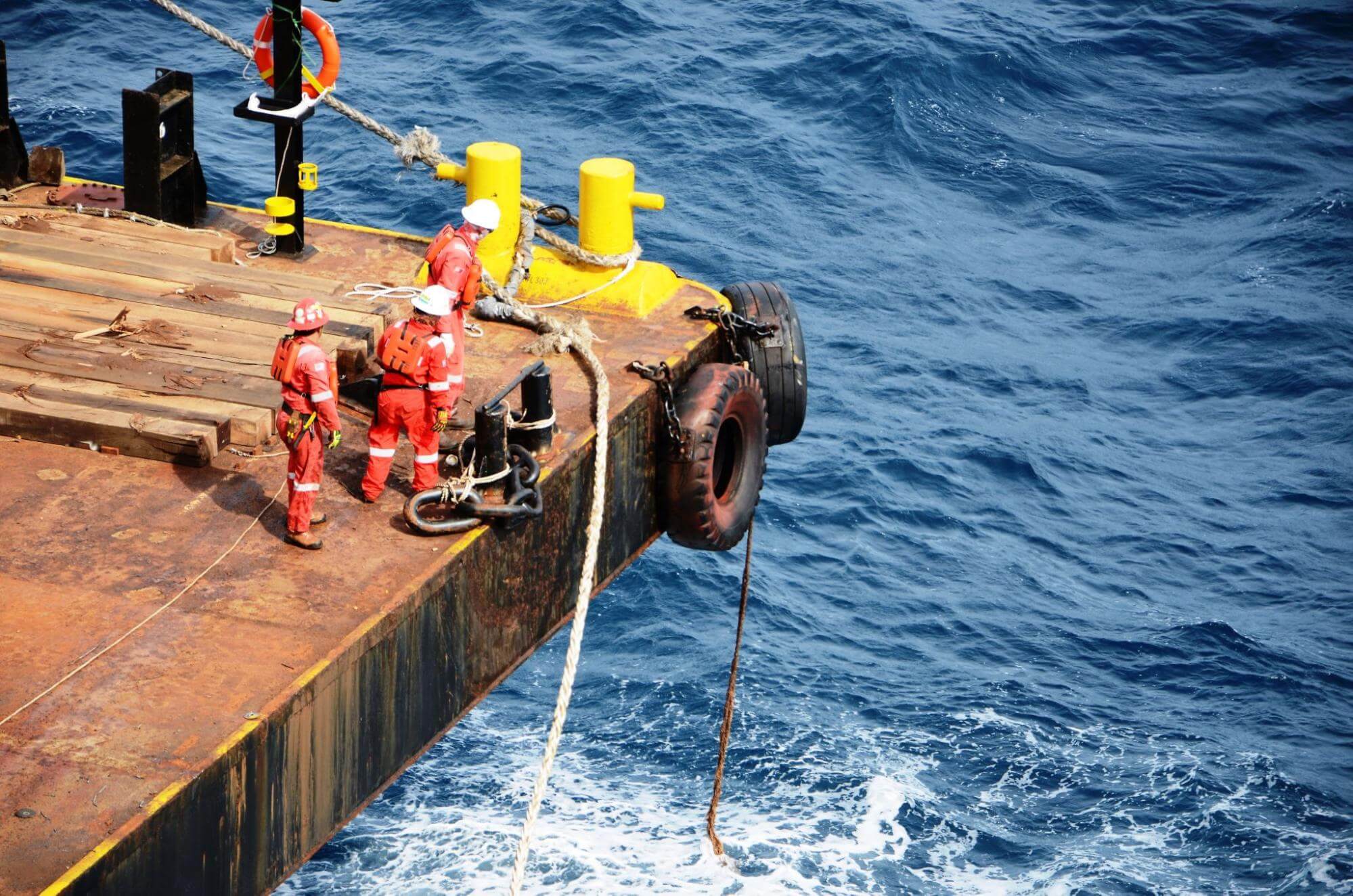
If you work at sea or on the river, the Jones Act protects you after an injury. Below, our Louisiana Jones Act attorneys explain how it works and when you may be entitled to compensation.

What Is the Jones Act?

The Merchant Marine Act of 1920 was enacted to support and develop the maritime industry and to ensure that it remained under American Control. Among its many provisions, Section 27 of the Act, commonly known as the Jones Act, extends federal employer liability to seamen and provides maritime workers with an avenue to be compensated for injuries incurred while working on a vessel. 

To help employees understand the Jones Act and determine whether it’s applicable, here’s a brief overview of key provisions of the Act, who it applies to, and how it’s currently being applied in federal courts. 


Who Qualifies Under the Jones Act?

The Jones Act applies to seamen and maritime workers who spend a significant amount of their work duties on a vessel in navigation. This can include deckhands, engineers, and captains. The law generally does not extend to longshore workers or shipyard employees. If you’re unsure whether you qualify, a Jones Act lawyer can evaluate your case.

What Compensation Can You Get Under the Jones Act?

Maritime workers who spend a significant amount of their work duties on a vessel are generally not entitled to workers’ compensation benefits under state or federal laws. To help address this gap for maritime workers injured on the job, the Jones Act provides a mechanism for qualified maritime workers to file a claim against their employer for compensation for their injuries. There are two types of claims allowed under the Jones Act, Maintenance and Care Claims and Negligence Claims. These claims cover daily and medical expenses incurred from a work-related injury. Most maritime workers are entitled to this compensation regardless of the cause of their work-related injury. 

Maintenance and Care Claims

These claims cover daily and medical expenses incurred from a work-related injury. Most maritime workers are entitled to this compensation regardless of the cause of their work-related injury.

Negligence Claims

These claims encompass a broader range of expenses and damages resulting from work-related accidents. To be eligible for these damages, the employee must establish that the employer was negligent or at least in part responsible for the injury. 

To be considered a qualified maritime worker under the Act, an employee must perform a significant amount of their work on a vessel of any kind. The protections apply to anyone from a crew member to a captain but generally do not extend to longshore workers or shipyard employees. 


    Understanding Negligence Claims Under the Jones Act

    Maritime employers must provide workers with a reasonably safe place to work and must exercise proper care to maintain the vessel to keep it in a reasonably safe condition. 

    To succeed in a negligence claim a maritime worker must show that an owner, captain, or crew member was negligent and that this negligence caused the worker’s injury.

    The Jones Act is advantageous to employees as it places the burden on employers to keep vessels safe. Additionally, there is a lower burden of proof for Jones Act negligence claims than there is for standard negligence cases. 

    Damages awarded in negligence cases can cover a myriad of expenses and losses including past and future wages, past and future medical expenses, and pain and suffering. 


    Jones Act Case Example: $3.4 Million Verdict for Injured Maritime Worker

    To illustrate the application of the Jones Act, we can examine a recent case handled by this firm in the Eastern District of Louisiana. This case shows how this employee-friendly law is being applied by federal courts. In Kelvin Dunn v. Marquette Transportation Company (EDLA, Case No. 16-CV-13545), Dunn, a captain of a Marquette vessel, brought suit against his employer for compensation as a result of injuries incurred while he dealing with a diesel leak in the engine room of a negligently maintained Marquette vessel. Rather than taking responsibility for its unseaworthy vessel, the defendant boat company attempted to place blame on Mr. Dunn suggesting he should not have gone down into the engine room to attempt to stop the diesel leak. Rather, they suggested he should have pushed the emergency engine shut-off button outside of the engine room. But as we pointed out at trial, this would have left the vessel, with two (2) loaded chemical barges in tow, without power or steering. 

    The district judge in New Orleans found Marquette solely responsible for Dunn’s injuries and awarded damages of $3.4 million. The Fifth Circuit Court of Appeals upheld the decision on appeal, and the United States Supreme Court declined to hear the case. As a result, the verdict stands and the judgment was paid. 

    The case serves as a good example of how aggressive and professional representation can result in a substantial damage award when employers are negligent or fail to properly maintain their vessels. 


    Do You Need a Jones Act Lawyer?

    If you’ve been injured at sea, talk to our experienced Jones Act lawyers. We fight for maritime workers’ rights and have a proven record of results. Schedule a free consultation today!

    Remember, seeking professional legal advice is crucial when dealing with Jones Act claims to ensure you receive the compensation you are entitled to. Our experienced team of personal injury lawyers can help you navigate applicable laws and get the compensation you deserve. Schedule a free consultation or call us at (225)771-8100 to learn more. 

    Share this post

    Free Consultation

    No Fee Unless We Win

    To schedule a free consultation with our personal injury lawyers, call 225-771-8100 or fill out the contact form.

    Saunders & Chabert Office

    6525 Perkins Road

    Baton Rouge, LA 70808

    Map & Directions

    Toll-Free: 888-815-1974

    Phone: 225-771-8100

    Fax: 225-771-8100

    Contact Saunders & Chabert

    We’re Here to Help You

    At the law office of Saunders & Chabert in Baton Rouge, Louisiana, our personal injury lawyers are committed to seeking justice for those who are seriously injured due to the negligence and recklessness of others. With extensive experience, along with unyielding determination, our attorneys never back down from any challenge. We want to protect your rights and help you get the financial compensation you deserve after an accident.

    We welcome you to stop by our office located across the street from the Pennington Biomedical Research Center.